
Five Picture Books for Setting Math Norms in Week One
* This post contains affiliate links. As an Amazon Associate, Mathometry earns a small commission from qualifying purchases. Know that we only link to products that we personally use and recommend.
The first weeks of school set the tone for everything that follows in a math classroom — how students collaborate, how they handle a challenging problem, whether they're willing to ask questions. You can tell students that classroom norms matter. Or you can let a picture book do it for you.
A well-chosen read-aloud gives students a shared reference point and a shared vocabulary that you can call back to for the rest of the year, long after the initial norm-setting conversation has faded.
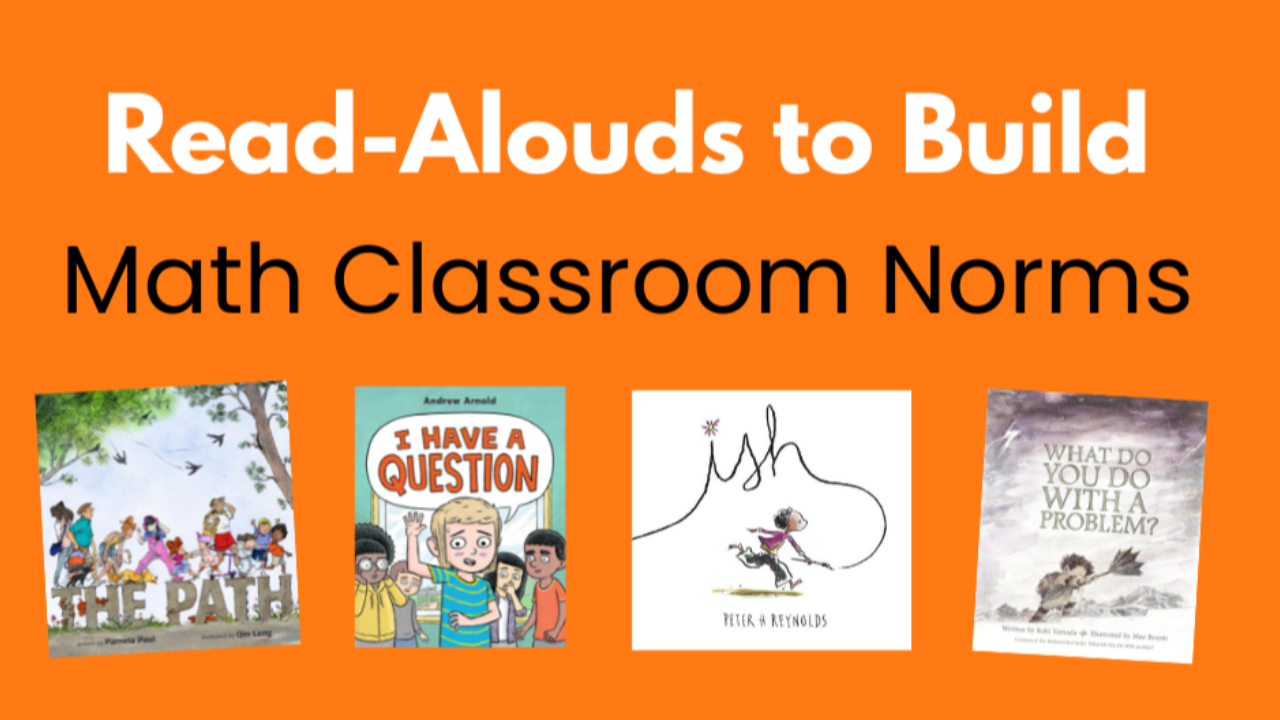
Below are five picture books tied to math classroom norms that you'll want to establish early: collaboration, problem-solving, flexible thinking, and the courage to ask questions. For each one, you'll find a short review and ready-to-use discussion questions you can bring straight to your morning meeting or math block. Look for these books in your school or local library, or click on the cover images below to order from Amazon.
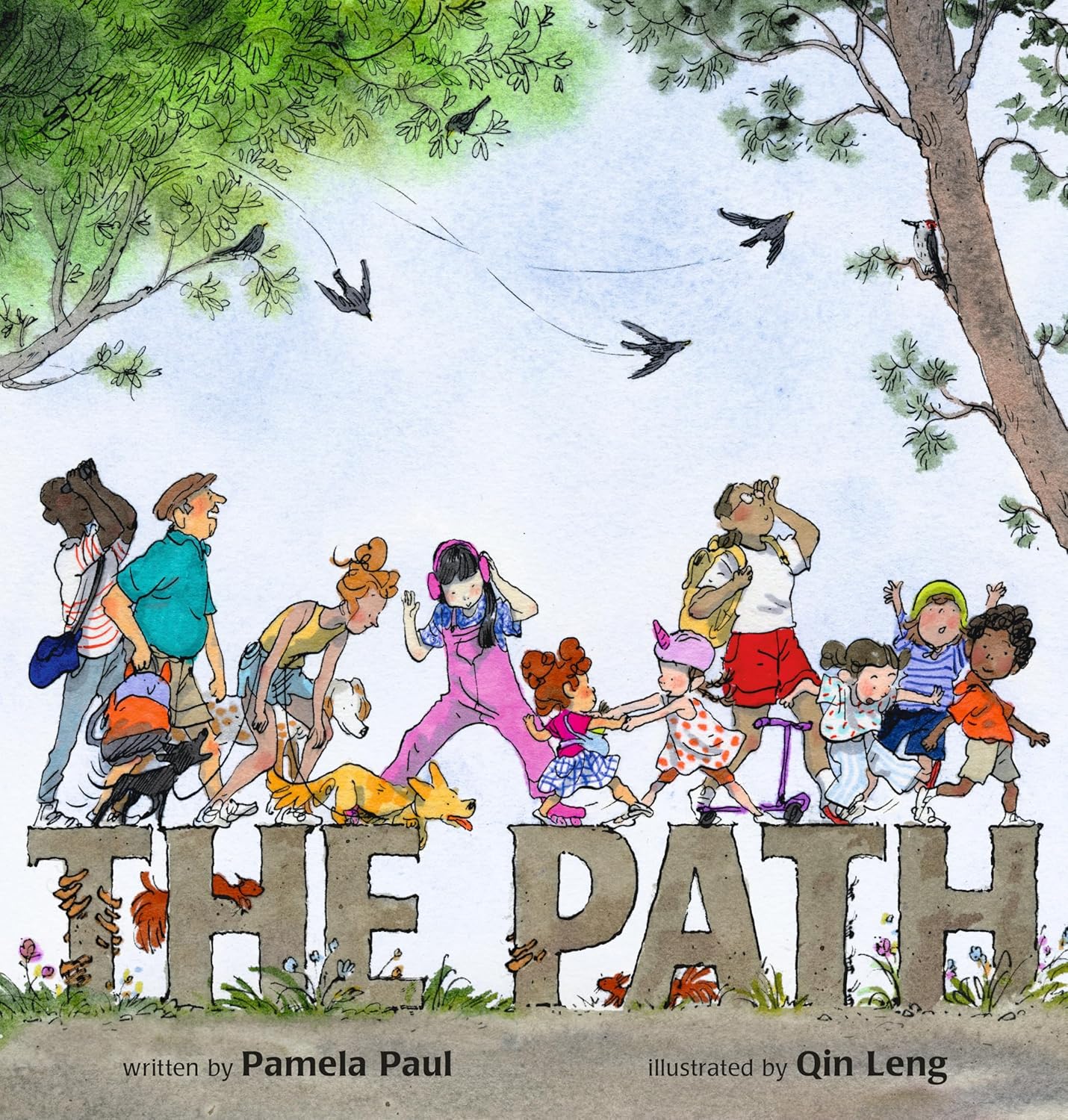
1. The Path by Pamela Paul (Author), Qin Leng (Illustrator)
Theme: Collaboration and sharing space
This is a wonderful book to open the year with, before you've even introduced a single math task. Set over one busy evening at a local park, the story follows bikers, birders, dog walkers, and rollerbladers who all keep getting in each other's way — until a sudden murmuration of starlings stops everyone in their tracks, and they begin interacting with a new appreciation for the space and each other. The story never lectures; it simply shows a room (or in this case, a park) full of people learning to notice one another.
For a math classroom, this is a book about what it feels like to share space and materials with other thinkers, and what changes when the group pays attention to something together — the way your class will during a whole-group task launch, a gallery walk, or during small group work.
Discussion Questions:
- What were the different people in the park doing? Why did it feel crowded even though the park is big?
- What changed after everyone stopped to watch the starlings?
- Our classroom is like the park — we're all sharing the same space and the same math tools. What can we do to make sure everyone has room to think?
- Can you think of a moment when noticing something together as a class, or in a small group, might help us work better as a team?
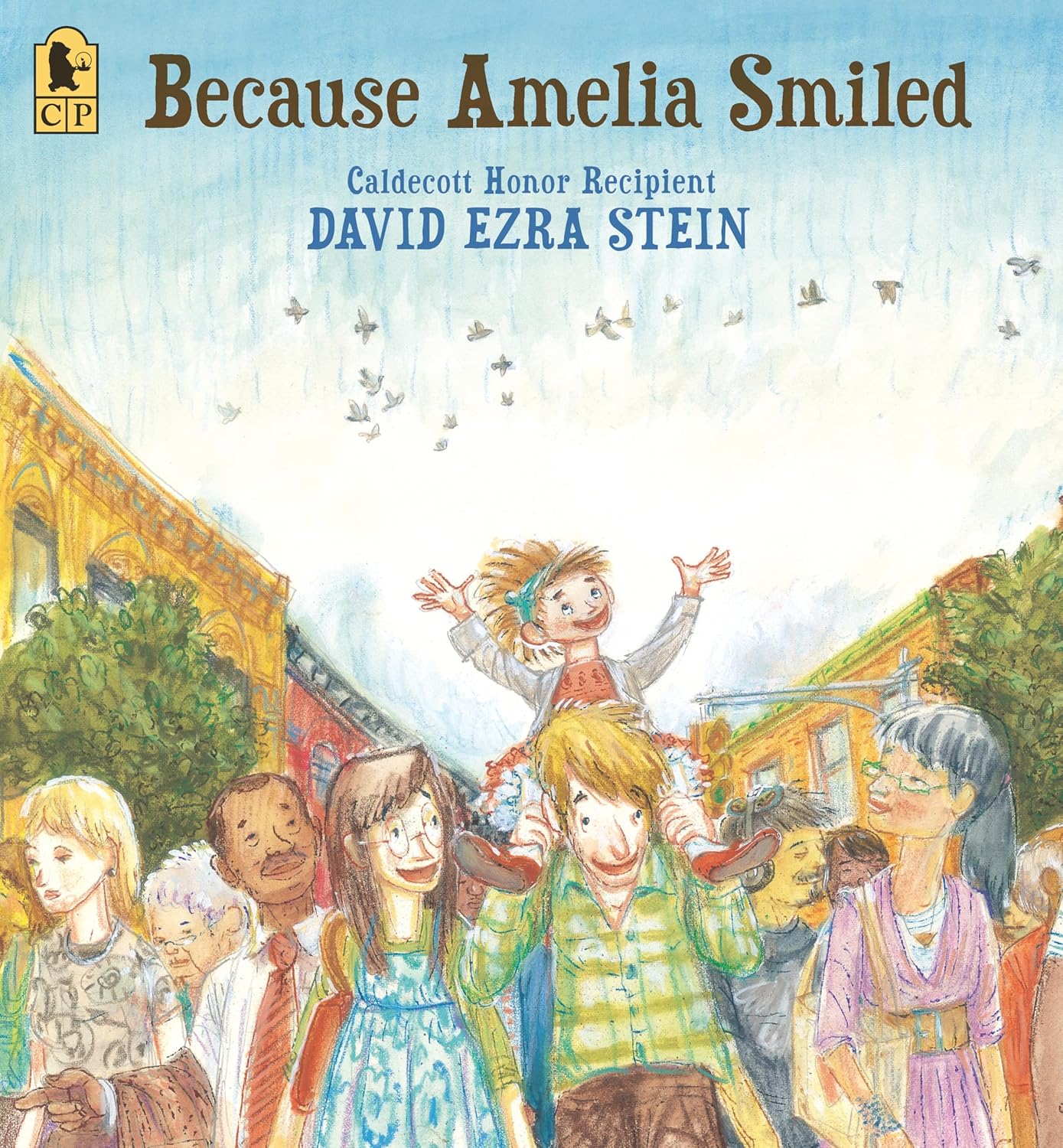
2. Because Amelia Smiled by David Ezra Stein (Author, Illustrator)
Theme: How individual actions ripple through the group
Amelia smiles while walking down her street, and that single act sets off a chain of kindness that travels around the entire globe before circling all the way back to her years later. Each spread jumps somewhere new, tracing how one small moment keeps rippling outward in ways no one could have predicted.
This is a great follow-up to The Path because it shifts the lens from "we share space" to "what I do affects people I may never see the effects on." In a math classroom built on collaboration and shared thinking, that's an important idea to plant early: the strategy you're willing to share out loud, the questions you ask, the way you respond when a classmate makes a mistake — all of it ripples through the room in ways you won't always get to witness.
Discussion Questions:
- What started the whole chain of events in this book?
- Did Amelia know everything that happened because she smiled? What does that tell us about our own actions?
- In our math class, what's one small thing you could do that might ripple out and help someone else?
- How might sharing your thinking out loud during math help someone you don't even realize is listening?
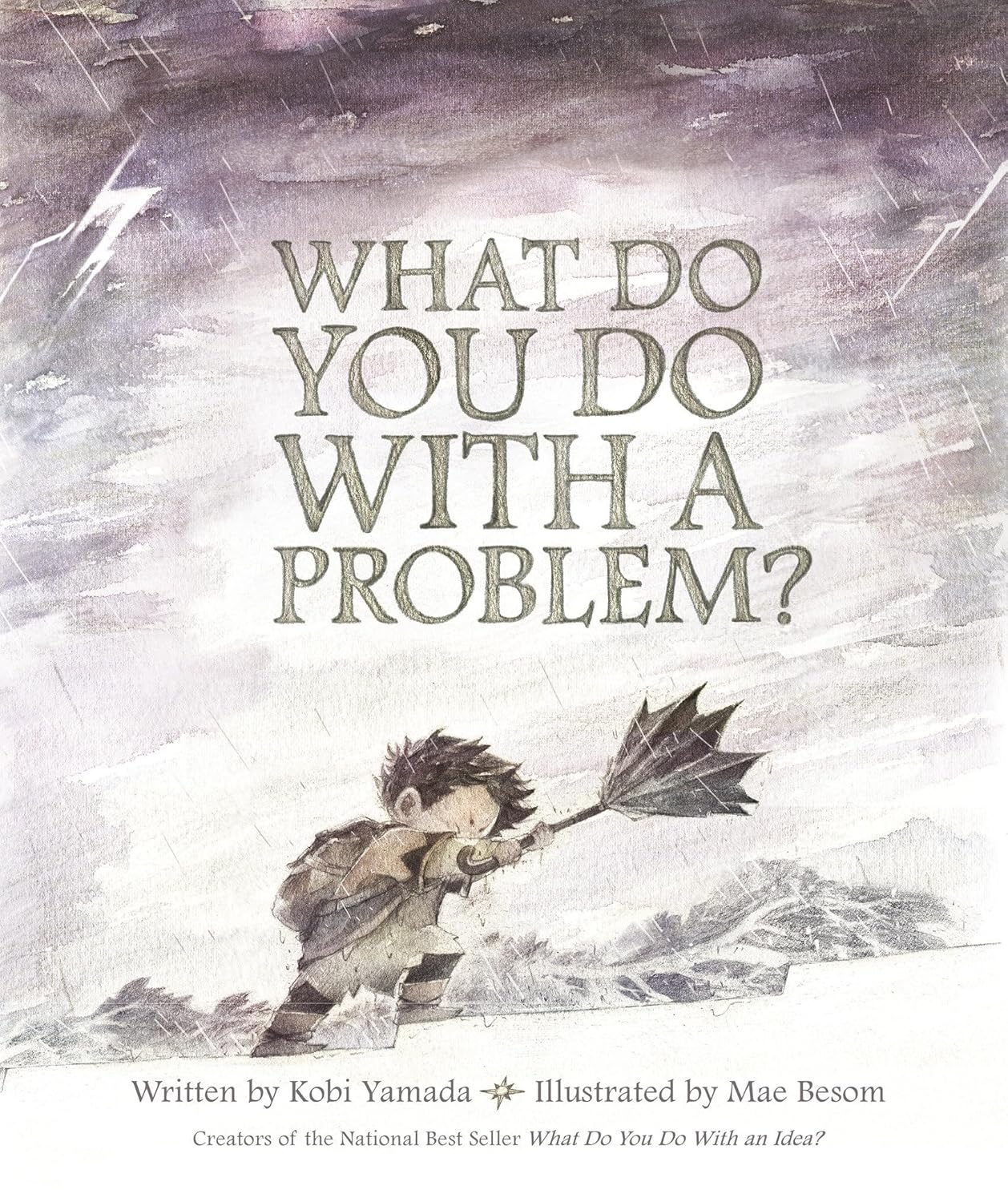
3. What Do You Do With a Problem? by Kobi Yamada (Author), Mae Besom (Illustrator)
Theme: Facing a challenging problem
A child is followed by a looming, shadowy "problem" that grows bigger and more menacing the longer it's avoided — until the child finally works up the courage to face it, and discovers it was holding an opportunity all along. The book is intentionally abstract, more atmosphere than plot, which makes for a great discussion starter.
Once you've read this together, "what does your problem cloud look like right now?" becomes a useful check-in question during independent or group work.
Discussion Questions:
- How did the character feel about the problem at the beginning of the book? How did those feelings change?
- Why do you think the problem kept getting bigger the longer it was avoided?
- What was hiding inside the problem once it was finally faced?
- What does your "problem cloud" feel like when you see a challenging math problem? What helps you face it instead of avoiding it?
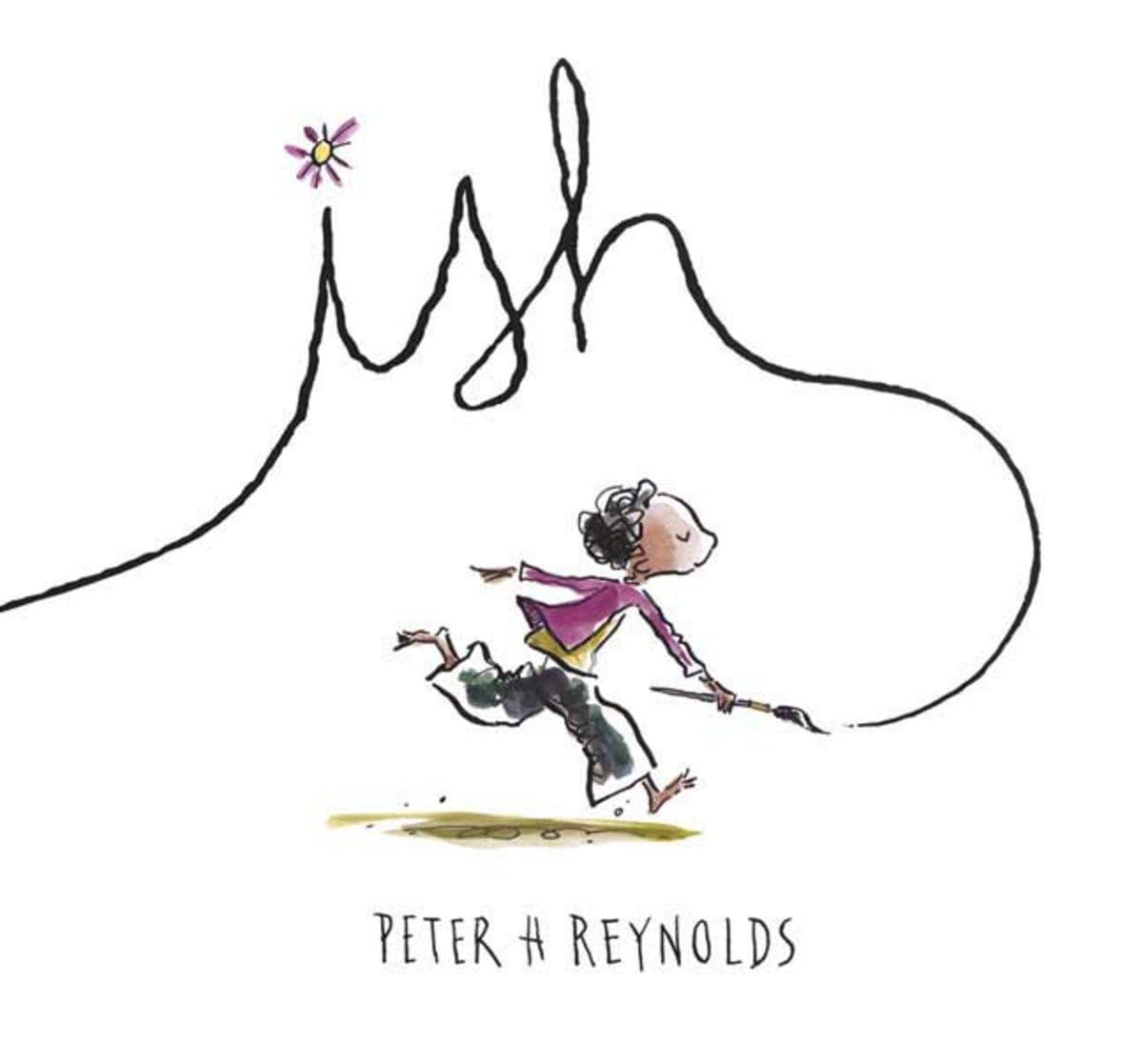
4. Ish by Peter H. Reynolds (Author, Illustrator)
Theme: Flexible thinking and letting go of "perfect"
After his brother mocks his drawing, Ramon stops drawing altogether — until his little sister shows him her collection of his artwork, reframing his "wrong" drawings as "vase-ish" or "tree-ish." Freed from the need to be exact, Ramon starts creating again, more freely than before.
This book is about giving up the idea that there's only one correct way to do something — which makes it a powerful entry point for talking about multiple strategies and approximate reasoning in math. It's also a natural bridge into asking questions and taking risks: once "close enough" and "different but still valuable" are welcome in the room, students are far more willing to try an idea even if they're not sure it's exactly right.
Discussion Questions:
- Why did Ramon stop drawing? What changed his mind?
- What does it mean for something to be "vase-ish" instead of a perfect vase?
- In math, is there ever more than one way to solve a problem, or more than one "close enough" answer? Can you think of an example?
- How might thinking "ish" help you feel braver about sharing an idea, even if you're not 100% sure it's right?
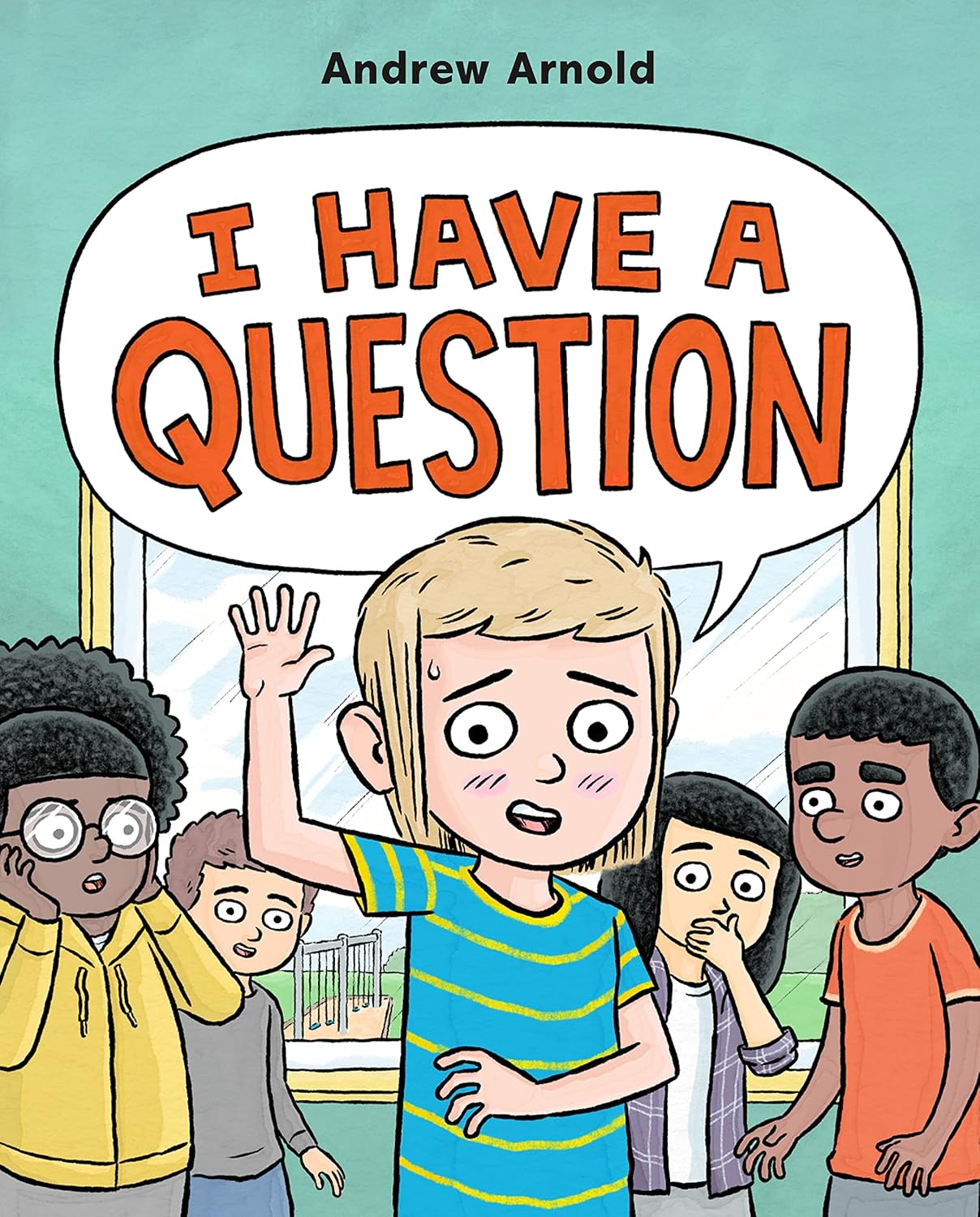
5. I Have a Question by Andrew Arnold (Author, Illustrator)
Theme: Having the courage to ask a question
When Stevie's teacher, Ms. Gail, asks if anyone has questions, no one raises a hand, except Stevie, who spends most of the book trapped in a spiral of worried imagination about what will happen if the question actually gets asked out loud. Will everyone laugh? Will the question sound silly? Stevie has to know the answer badly enough to risk it anyway.
This is the perfect closing book for your first-weeks sequence, because it names the exact fear that keeps students silent during math discussions. The book makes clear that the content of a question can be a little silly, but the act of asking never is. After reading it, "doing a Stevie" becomes classroom shorthand you can use gently for the rest of the year, whenever you sense a student is holding back a question out of fear rather than understanding.
Discussion Questions:
- What was Stevie afraid would happen if the question got asked?
- Did any of Stevie's worries actually come true?
- Why do you think Stevie decided to ask the question anyway?
- What could you say to yourself the next time you have a question in math but feel nervous about asking it?
Each of these books earns a spot on the shelf permanently, not just for September. Keep them within reach. The real payoff of read-aloud norm-setting isn't the first reading; it's having a shared story to point back to months later, when the norm needs reinforcing and a reminder lands better than a rule.
Looking for more math read-alouds for the first weeks of school? Check out this blog post: 5 Picture Books about Perseverance